How Global Conflicts and Wars Can Affect International Travel
Learn how wars and geopolitical conflicts affect flights, travel advisories, visas, and tourism patterns, and how travelers can plan safely.
Mar 11, 2026
How Global Conflicts and Wars Can Affect International Travel
Travel often feels separate from global politics. When planning a trip, most people think about destinations, food, culture, and experiences. But the reality is that international travel depends on a complex system of airlines, borders, economies, and diplomatic relationships.
When wars or geopolitical conflicts occur, those systems can shift. Sometimes the changes are small, like longer flight routes or slightly higher prices. Other times, governments introduce travel advisories or adjust entry rules.
Understanding how global conflicts affect travel can help travelers plan more confidently and avoid unnecessary surprises.
Why Global Conflicts Influence Travel
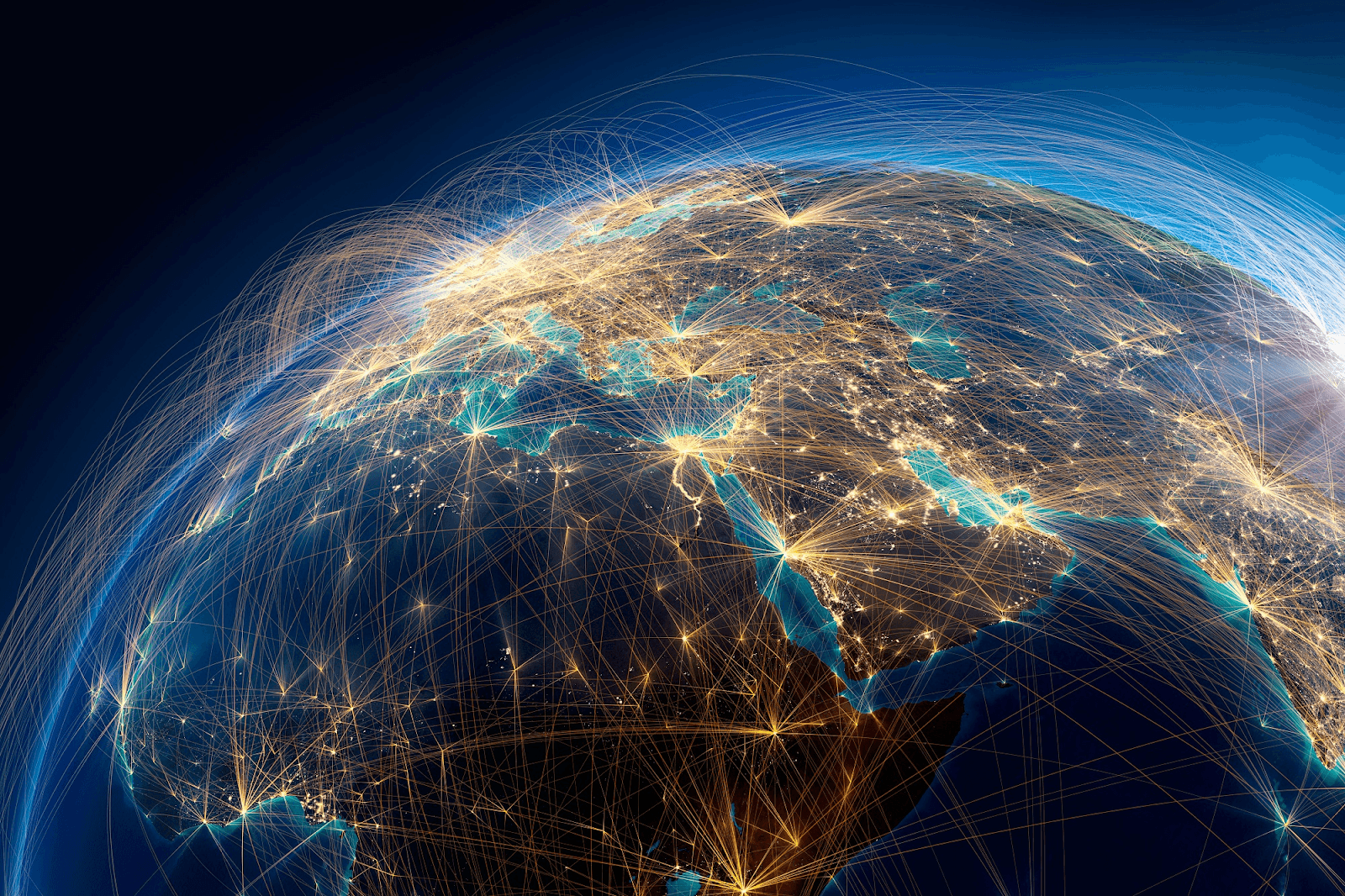
Modern travel relies on international cooperation. Airlines cross multiple countries’ airspace, tourism depends on stable economies, and border policies are shaped by diplomatic relationships.
When conflicts occur, governments and airlines sometimes change policies to maintain safety or reduce risk.
For travelers, these changes typically appear in practical ways rather than dramatic ones. Flights may take different routes, insurance policies may change, or certain regions may become temporarily less accessible.
Staying aware of these factors helps travelers adapt their plans responsibly.
Airline Routes and Airspace Restrictions
One of the most immediate effects of war on travel is airspace restrictions.
When a conflict begins, airlines usually avoid flying over affected regions. This can cause flights to take longer routes, increasing fuel costs and travel time. In some cases, airlines may cancel or reroute flights entirely.
For example, conflicts in certain regions have previously forced airlines to reroute flights between Europe and Asia, sometimes adding several hours to travel time.
For most travelers, this change simply means checking flight updates and allowing extra flexibility when booking connections.
Government Travel Advisories
Another common effect of geopolitical conflict is the issuance of government travel advisories.
Countries such as the United States, Canada, the United Kingdom, and Australia maintain official travel advisory systems that provide guidance on safety conditions in different destinations.
These advisories do not always mean travel is prohibited. Instead, they inform travelers about risks such as political instability, military activity, or infrastructure disruptions.
Checking official travel advisories before traveling internationally is always recommended, especially during periods of global tension.
Visa and Entry Requirement Changes
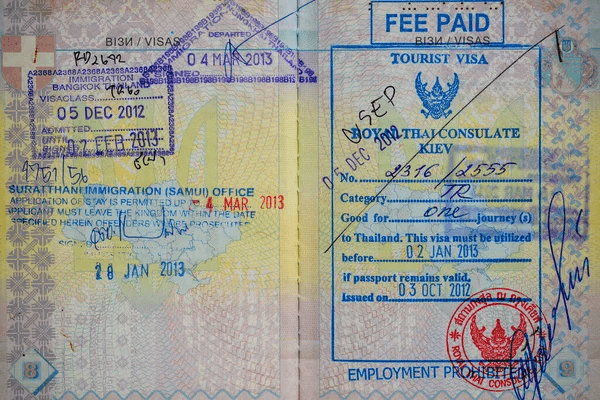
Wars and diplomatic tensions can also influence visa policies and entry requirements.
Governments sometimes tighten border controls or change visa procedures during geopolitical conflicts. In rare cases, travel between specific countries may become restricted due to diplomatic disagreements.
For travelers, this means entry requirements can evolve quickly. Checking visa rules and passport requirements shortly before departure helps avoid complications at the border.
Currency and Travel Costs
Global conflicts often influence financial markets, which can indirectly affect travel costs.
Fuel prices, exchange rates, and insurance costs sometimes change during periods of geopolitical uncertainty. These shifts may increase airline ticket prices or affect accommodation costs in certain destinations.
However, the impact varies widely. Some destinations actually become more affordable if tourism demand temporarily decreases.
For travelers, building a flexible travel budget is the best way to adapt to these changes.
Tourism Demand and Destination Popularity
When conflicts dominate global news cycles, tourism patterns can shift.
Travelers may avoid regions perceived as unstable and instead choose destinations considered safe and accessible. As a result, some countries experience temporary increases in tourism while others see declines.
For example, destinations with strong infrastructure, stable governments, and established tourism industries often continue to attract international travelers even during uncertain global periods.
Understanding these patterns can help travelers make informed destination choices.

Travel Insurance and Safety Planning
During periods of geopolitical uncertainty, travel insurance becomes particularly important.
Many travel insurance policies cover trip interruptions, cancellations, or emergency assistance. However, coverage related to war or conflict varies between providers.
Reading policy details carefully and choosing comprehensive coverage helps travelers protect their plans if unexpected disruptions occur.
Travelers should also keep digital copies of important documents and monitor official travel updates while abroad.
Staying Informed Without Overreacting
Global news can sometimes make travel feel more uncertain than it actually is.
In reality, most international travel continues normally even when conflicts occur in specific regions. The key is staying informed through reliable sources rather than reacting to speculation or social media rumors.
Government travel websites, airline announcements, and embassy updates are the most trustworthy places to check for travel-related information.
Being informed allows travelers to adjust plans calmly instead of canceling trips unnecessarily.

Travel in an Interconnected World
Travel and global events are closely linked because the world itself is interconnected. Airlines, borders, and economies respond to geopolitical changes, and those responses occasionally affect travel plans.
But travel has always adapted to global shifts.
With careful planning, reliable information, and flexibility, travelers can continue exploring the world responsibly even during uncertain times.
About

Featured Posts




Explore Topics


Related Post
Feb 13, 2026
Planning a Mexico trip from the US? This month-by-month guide helps you choose the best time to visit Mexico based on weather, crowds, and travel style.